shockwave Therapy for ED - Technology Matters


Not all shockwave therapy for ED is the same. While the term “shockwave” is often used broadly in marketing, the type of technology used, the energy delivered, and the medical oversight involved all play a critical role in determining whether treatment is capable of producing a meaningful biological effect.
At Kass Precision Medicine, we believe patients deserve transparency about what the science actually studied - and why technology matters when evaluating shockwave treatment for ED.
Understanding Shockwave Therapy for ED
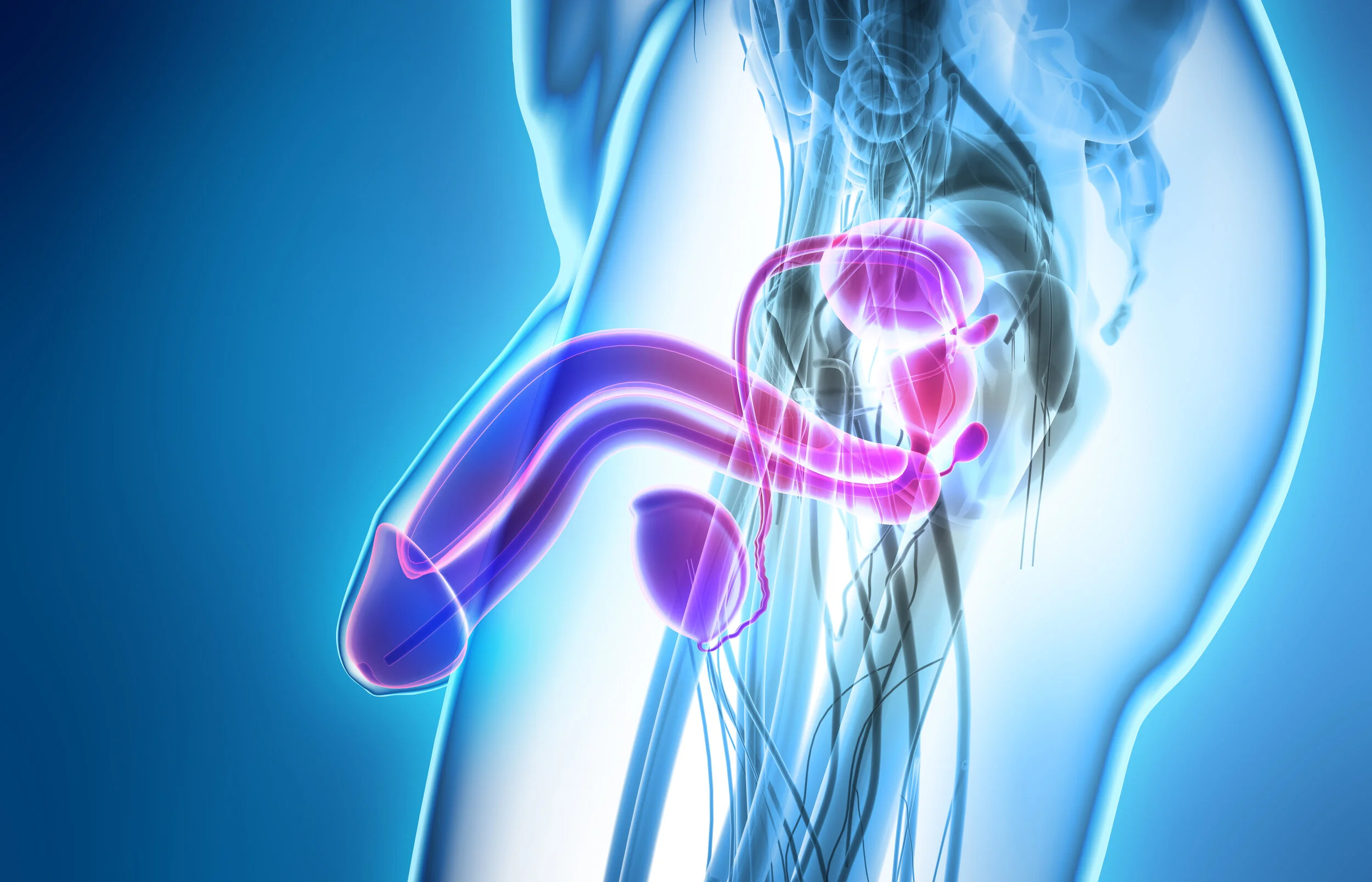
Low-intensity shockwave therapy - often referred to in the medical literature as low-intensity extracorporeal shockwave therapy (Li-ESWT) - uses acoustic energy applied to penile tissue with the goal of improving erectile function.
Proposed biological mechanisms include:
Improved penile blood flow
Angiogenesis (formation of new blood vessels)
Enhanced endothelial and nitric oxide signaling
Support of tissue repair pathways within the corpora cavernosa
Importantly, shockwave therapy is not a single uniform intervention. Clinical outcomes depend heavily on the type of shockwave device, energy profile, and treatment protocol used.
You can learn more by visiting our What is Shockwave Therapy page.
Why Technology Matters in Shockwave Therapy for ED
When reviewing peer-reviewed studies on shockwave therapy for ED, an important pattern emerges: clinical trials do not simply study “shockwave” - they specify the device type, energy settings, depth of penetration, and number of shocks delivered.
This matters because erectile dysfunction - particularly vasculogenic ED - involves the corpora cavernosa, which requires adequate energy delivery at depth to plausibly trigger a biological response.
Devices that cannot deliver comparable energy or penetration are not equivalent to the therapies studied in clinical trials, even if they use similar marketing language.
Focused vs Radial Shockwave Therapy: What the Evidence Shows
Shockwave devices used for erectile dysfunction generally fall into two categories:
Focused shockwave therapy (fSWT)
Radial shockwave therapy (rSWT)
These technologies differ fundamentally in how energy is delivered to tissue.
What the Research Indicates
Both focused and radial technologies appear in the ED literature, and there is some evidence supporting each modality.
However, the majority of higher-quality studies, including randomized and sham-controlled trials, have used focused shockwave devices.
As a result, systematic reviews and meta-analyses disproportionately reflect outcomes from focused shockwave protocols, particularly in men with mild to moderate vasculogenic ED.
Radial pressure wave therapy is represented in fewer trials, and results across studies are more variable, with less consistency in protocols and outcomes.
For this reason, many reviews conclude that while shockwave therapy as a category shows promise, focused shockwave therapy currently has a stronger and more reproducible evidence base for erectile dysfunction.
Radial vs Focused Shockwave Therapy: Comparison
Energy delivery
Focused Shockwave Therapy:
Concentrated at a defined tissue depth
Radial Shockwave Therapy:
Dispersed, superficial
Penetration depth
Focused Shockwave Therapy:
Deeper, adjustable
Radial Shockwave Therapy:
Shallower
Precision
Focused Shockwave Therapy:
High
Radial Shockwave Therapy:
Lower
Representation in ED trials
Focused Shockwave Therapy:
Used in most placebo-controlled studies
Radial Shockwave Therapy:
Fewer, more variable studies
Evidence consistency
Focused Shockwave Therapy:
More consistent across reviews
Radial Shockwave Therapy:
Mixed
Typical clinical role
Focused Shockwave Therapy:
Investigational treatment for vasculogenic ED
Radial Shockwave Therapy:
Adjunctive or supportive role
Device requirements
Focused Shockwave Therapy:
Medical-grade, physician-directed
Radial Shockwave Therapy:
Varies by clinic
Both modalities are discussed in the literature, but focused shockwave therapy accounts for a larger proportion of the protocols that inform current clinical understanding of shockwave treatment for ED.
Medical-Grade Devices and Appropriate Oversight
Kass Precision Medicine uses medical-grade radial and focused shockwave devices manufactured by Storz Medical, a long-standing leader in shockwave technology with decades of clinical research and development.
These devices are:
FDA-cleared for musculoskeletal indications (not specifically erectile dysfunction)
Regulated medical devices designed for supervised clinical use
Capable of delivering measurable, reproducible energy
Treatment selection - including whether radial, focused, or combined approaches are used - is determined under medical supervision and tailored to ED severity, contributing health factors, and patient response over time.
What The Guidelines Say
The American Urological Association classifies low-intensity shockwave therapy for erectile dysfunction as investigational, citing:
Heterogeneity of devices and protocols
Variable durability of benefit
Need for further standardized research
This classification applies to shockwave therapy broadly and underscores why device type and protocol matter when interpreting published outcomes.
Buyer Beware: “Shockwave” Has Become a Marketing Term
As shockwave therapy has grown in popularity, many low-energy or consumer-grade devices have entered the market - some sold directly to patients or used in pop-up clinics.
These devices may:
Deliver insufficient energy
Lack depth of penetration
Have no supporting peer-reviewed ED data
Produce results that are not comparable to published studies
In short: not all shockwave therapy is the same, and patients should be cautious when evaluating claims.
Phoenix and Other At-Home Shockwave Devices
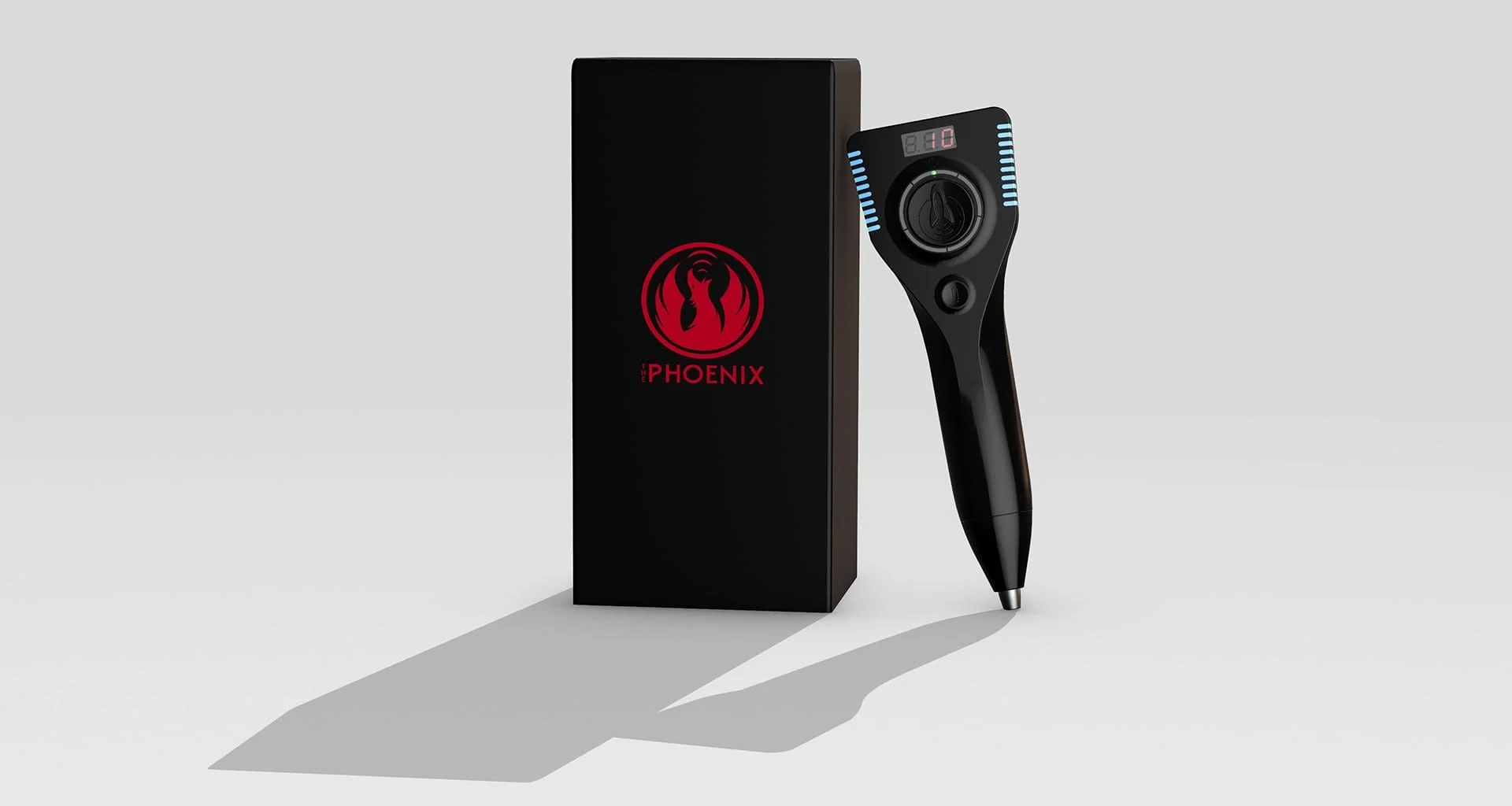
At-home shockwave devices, including those marketed under names such as Phoenix, have become increasingly visible in the treatment landscape for erectile dysfunction. While these devices may improve access and affordability, it’s important for patients to understand that most peer-reviewed studies evaluating shockwave therapy for ED were conducted using medical-grade, in-clinic devices, not home-use products. Consumer devices may differ significantly in energy output, depth of penetration, waveform consistency, and treatment standardization, all of which are critical variables in producing a biological response in erectile tissue. As a result, outcomes from home shockwave devices may not be comparable to results reported in clinical trials, and long-term efficacy data for at-home use remain limited. Patients should approach claims cautiously and recognize that technology, dosing, and medical oversight play a central role in shockwave therapy for ED.
You can learn more about at home devices on our blogs The Phoenix ED Device and Shockwave Therapy for ED At Home.
What to Ask Your Shockwave Therapy Provider
Before starting shockwave therapy for ED, we encourage patients to ask:
✔ What type of shockwave device do you use - focused or radial?
✔ Is the device medical-grade and regulated?
✔ Is the protocol based on peer-reviewed studies?
✔ Who supervises and administers the treatment?
✔ How does this compare to standard-of-care ED treatments?
Transparent providers should be able to answer these questions clearly.
Our Philosophy
At Kass Precision Medicine, we believe that technology, evidence, and medical oversight matter. While shockwave therapy for erectile dysfunction remains investigational, the quality of the technology and alignment with peer-reviewed evidence are critical when this therapy is pursued.
Shockwave Therapy for Erectile Dysfunction:
Frequently Asked Questions
Is shockwave therapy FDA-approved for erectile dysfunction?
Shockwave therapy devices are FDA-cleared for certain musculoskeletal indications, but shockwave therapy is not FDA-approved for the treatment of erectile dysfunction. Its use for ED is considered off-label and investigational.
Is shockwave therapy for ED considered experimental?
According to the American Urological Association, low-intensity shockwave therapy for erectile dysfunction is classified as an alternative and investigational.
Does shockwave therapy work for erectile dysfunction?
Peer-reviewed studies suggest that shockwave therapy appears safe and shows promising results, improving erectile function in selected patients, particularly those with mild to moderate vasculogenic ED. You can learn more on our Research page.
What type of shockwave device is supported by the most evidence?
Most higher-quality, sham-controlled studies evaluating shockwave therapy for ED have used focused shockwave devices, rather than radial shockwave or consumer-grade devices. As a result, focused shockwave therapy has a stronger and more consistent evidence base in the published literature.
What is the difference between focused and radial shockwave therapy?
Focused shockwave therapy delivers energy to a specific depth within tissue, while radial shockwave therapy disperses energy in a wider treatment area and more superficially. These are different technologies, and they are not interchangeable in terms of energy delivery or penetration, both therapies do have supportive literature for their applications in treating erectile dysfunction.
Are home shockwave devices like Phoenix as effective as clinic-based therapy?
At this time, there is limited high-quality, peer-reviewed evidence showing that at-home shockwave devices produce results comparable to in-clinic, medical-grade shockwave therapy. Most studies supporting shockwave therapy for ED were conducted using medical-grade devices in controlled clinical settings. You can learn more about at home devices on our blogs The Phoenix ED Device and Shockwave Therapy for ED At Home.
How many shockwave treatments are typically needed for ED?
Protocols in published studies vary, but most involve multiple treatment sessions over several weeks (between 6 and 18 treatment sessions). The optimal number of sessions and long-term maintenance strategy should be discussed with an experienced provider.
Who is a good candidate for shockwave therapy for ED?
Shockwave therapy appears most promising for men with mild to moderate vasculogenic erectile dysfunction and in patients who are not responding robustly enough to oral medications or prefer to avoid these medications due to side effects. Many patients find that, after a series of treatments with shockwave therapy, they respond more consistently to medication. These therapies are often combined.
Is shockwave therapy painful?
Shockwave therapy is generally well tolerated. Most patients describe mild discomfort or tingling during treatment, with minimal downtime afterward.
How does shockwave therapy compare to standard ED treatments?
Standard-of-care treatments for ED include oral medications (PDE-5 inhibitors), vacuum erection devices, injectable therapies, and penile implants. Shockwave therapy is considered alternative and investigational. Patients should have this conversation with their provider and make an informed decision about what therapy or combination of therapies would be most suited for their concerns and preferences.
How do I know if a clinic is using the right technology?
Patients should ask whether the clinic uses:
Medical-grade shockwave devices
Focused or radial technology
Protocols informed by peer-reviewed studies
Medical supervision during treatment
Does shockwave therapy increase the size of erections?
Shockwave therapy is not a penile enlargement procedure. However, low-intensity shockwave therapy may improve vascular health, vascular density,blood flow, and erectile tissue function. Because erections depend on adequate blood flow and tissue expansion, men who respond to treatment may notice fuller, firmer erections compared to their baseline erectile size and function. Any perceived change in erection size is typically related to improved erection quality and rigidity. Results vary by individual, and size changes are not guaranteed.
You can read more about this on our blog: The Importance of Technology in Treating ED with Shockwave, or GAINSWave Therapy